
Tracing the historical evolution of gambling practices through the ages
Origins of Gambling
The history of gambling dates back to ancient civilizations, where it was often intertwined with religious rituals and societal norms. Evidence from archaeological sites reveals that forms of betting and chance games were prevalent among the Sumerians, Egyptians, and Romans. These early practices included dice games and betting on the outcomes of various events, showcasing humanity’s intrinsic desire for risk and reward. The origins of gambling highlight not just entertainment but also a means of social interaction and community bonding. Additionally, modern platforms like Sankra are a testament to how far the gaming industry has come.
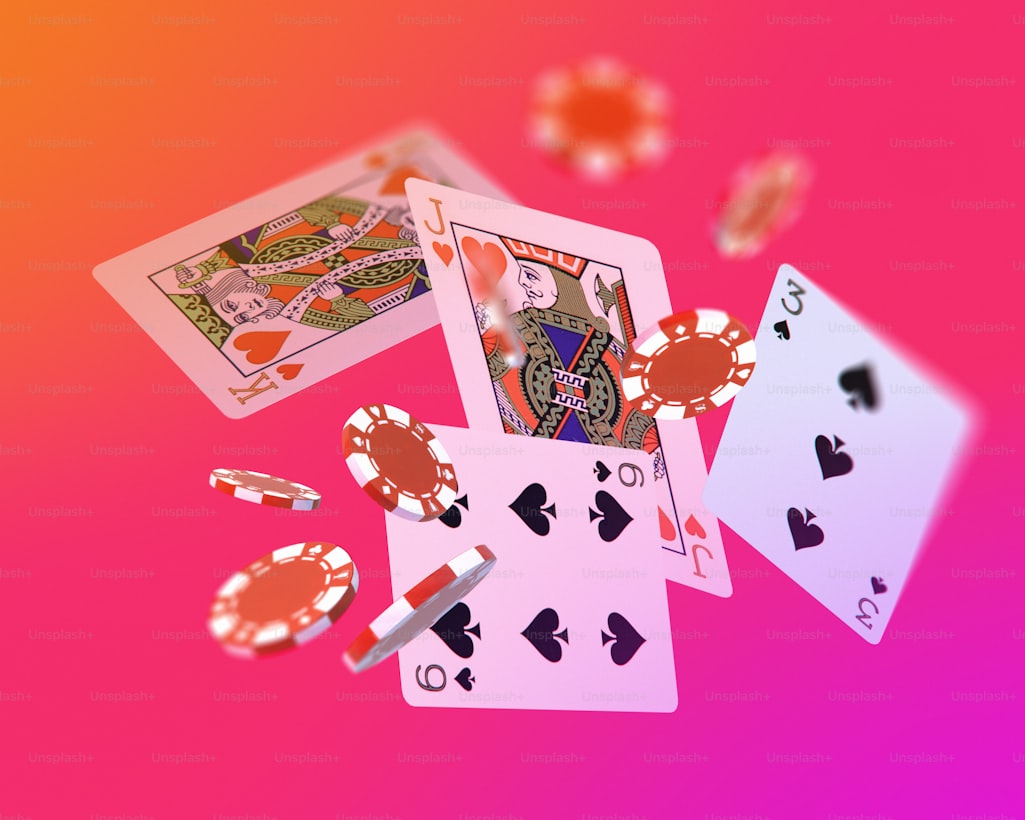
As gambling evolved, different cultures developed unique methods and games. For instance, the Chinese created the earliest known form of a lottery around 200 BC, using wooden sticks to draw lots. Similarly, the Romans engaged in betting on gladiatorial contests, where spectators placed wagers on the outcomes of these brutal matches. These activities laid the groundwork for the modern gambling frameworks that we see today, revealing an age-old fascination with luck and fortune.
Throughout history, gambling was often tied to the economy and trade. Merchants would wager on trade expeditions, and it wasn’t uncommon for sailors to gamble on their chances of returning home safely. This connection between gambling and economic activity reflects a broader human tendency to engage in risk-taking, not just for entertainment, but as a facet of daily life and survival in an uncertain world.
Gambling in the Middle Ages
The Middle Ages marked a pivotal time in the history of gambling, characterized by both the popularity and the regulation of various games of chance. The church played a significant role in shaping gambling practices, often condemning it while simultaneously engaging in lotteries to fund religious projects. This duality highlights the societal tensions surrounding gambling during this period, as communities grappled with its moral implications versus its economic benefits.
Many popular games emerged during the Middle Ages, including early forms of poker and backgammon. These games were often played in taverns and were accessible to a wide range of people, from nobles to peasants. The social aspect of gambling became a crucial part of community life, with gatherings centered around these games fostering relationships and competition among players. This era demonstrated gambling’s ability to transcend social classes, acting as a unifying force in society.
As the Renaissance ushered in new ideas and cultures, gambling also underwent a transformation. Card games gained popularity across Europe, leading to the creation of casinos in the 17th century, particularly in Italy. This period highlighted the transition of gambling from informal settings into established institutions, paving the way for the modern gambling landscape that would emerge in the following centuries.
The Rise of Modern Gambling
The 18th and 19th centuries heralded the rise of modern gambling, marked by the establishment of formal gaming houses and casinos. This era saw the introduction of classic games such as roulette and blackjack, which remain popular today. The regulation of gambling began to take shape, as governments recognized its potential for revenue generation while also addressing the social issues associated with gambling addiction.
With the industrial revolution, gambling became increasingly accessible to the masses. The proliferation of railways allowed people to travel to dedicated gambling establishments, fostering the growth of destinations like Monte Carlo. This period was characterized by a growing fascination with gambling, as it became synonymous with luxury and glamour, further embedding itself into popular culture.
The 20th century introduced a new chapter in gambling history with the advent of online casinos and gaming platforms. The internet revolutionized the gambling industry, making it possible for people to engage in various games from the comfort of their own homes. This shift raised new regulatory challenges, as authorities struggled to keep pace with the rapid expansion of online gaming and its implications for responsible gambling practices.
The Cultural Impact of Gambling
The cultural impact of gambling has been profound, influencing literature, film, and societal attitudes towards risk and reward. Many literary works, from Shakespeare to Dostoevsky, have explored themes of chance and fate, often reflecting societal views on gambling’s morality. Films such as “Casino Royale” and “Rounders” romanticize the world of gambling, making it a central theme that captivates audiences.
Furthermore, gambling has been a source of inspiration for various art forms, including music and visual arts. Artists have used gambling as a metaphor for the unpredictability of life, illustrating the fine line between luck and skill. This portrayal has helped to normalize gambling in popular culture while simultaneously sparking discussions about its ethical dimensions.
As gambling continues to evolve, it also faces scrutiny and challenges. Issues of addiction and the social repercussions of gambling are often debated in public forums, highlighting the need for responsible gambling initiatives. The cultural narratives surrounding gambling reveal a complex relationship that oscillates between celebration and caution, making it a fascinating topic of exploration throughout the ages.
The Future of Gambling
The future of gambling is poised for continued evolution, particularly with advancements in technology. Innovations such as virtual reality and artificial intelligence are beginning to shape the gaming experience, creating immersive environments where players can interact in ways previously thought impossible. This technological integration may redefine how people perceive and engage with gambling.
Moreover, the increasing legalization and regulation of gambling across the globe signal a changing landscape. As more jurisdictions embrace legal gambling, there is a growing emphasis on responsible gaming practices. This shift aims to mitigate the risks associated with gambling while maximizing its economic potential. It reflects society’s understanding of gambling as a complex activity that requires careful management to protect consumers.
As online platforms continue to dominate the industry, the emergence of new gaming experiences will likely attract a younger demographic. This trend emphasizes the importance of adaptability within the gambling sector, necessitating ongoing innovation and sensitivity to changing consumer preferences. The future of gambling promises to be as rich and diverse as its historical past, with challenges and opportunities that will shape its trajectory for years to come.

Explore Sankra Casino Today
As the world of gambling continues to evolve, modern platforms like Sankra Casino embody the next generation of gaming experiences. Established in 2026, Sankra offers a vast selection of over 7,000 casino games and sportsbook options, catering to a diverse audience of players. With advanced security measures and a commitment to responsible gambling, Sankra ensures a safe and enjoyable environment for all users.
The platform is designed with player engagement in mind, featuring generous welcome bonuses, promotions, and 24/7 customer support to enhance the gaming experience. New players can kick off their journey with a 100% bonus up to €600 and 200 free spins, making it an attractive option for those looking to explore the exciting world of online gambling.
Whether you’re a seasoned player or new to the scene, Sankra Casino invites you to join and discover the thrill of gaming. With a user-friendly interface and a commitment to providing top-notch services, your experience at Sankra is bound to be unforgettable, bridging the historical evolution of gambling practices with modern innovations.